The Job You're Embarrassed About Is the One That Gets You Hired
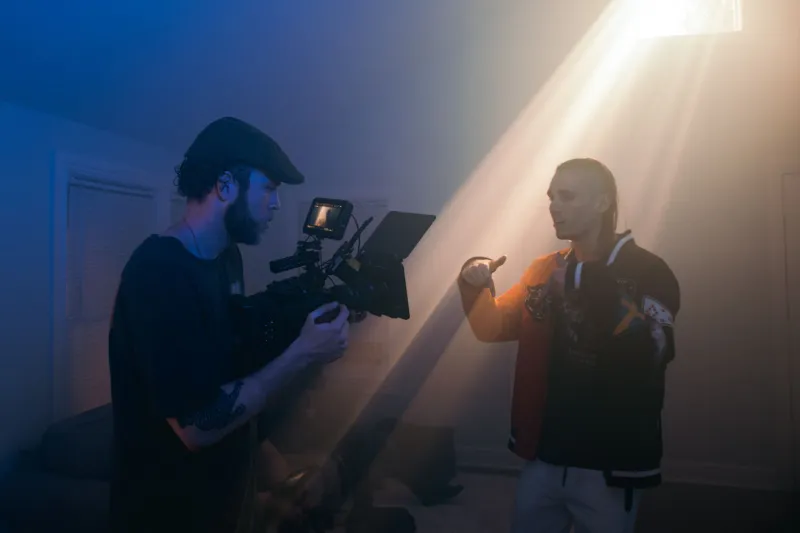
Every creator has one. That project living at the bottom of the portfolio page, or better yet, unlisted entirely. The 40-minute testimonial video for a regional plumbing supply company. The animated explainer about septic tank maintenance. The time you shot a music video for a guy whose stage name was literally his legal first name plus "Money."
You took the check. You did the work. And now you pretend it never happened.
Big mistake. Huge.
The Portfolio Lie We All Tell
Here's the fiction most of us operate under: portfolios are supposed to showcase our best work. But "best" is doing a lot of heavy lifting in that sentence. Best by whose standard? Best looking? Best paying? Best at impressing other creators who will never hire you?
What actually gets you hired is proof that you can walk into a weird situation and walk out with something usable. And nothing demonstrates that like the jobs nobody else wanted.
Think about it from the client's side. A restaurant owner in Columbus doesn't care that you color-graded a short film that screened at a festival in Park City. They care whether you can make their pastrami sandwich look like a religious experience on a Tuesday afternoon budget. Guess what teaches you that? Not the passion projects.
What the Weird Jobs Actually Teach You
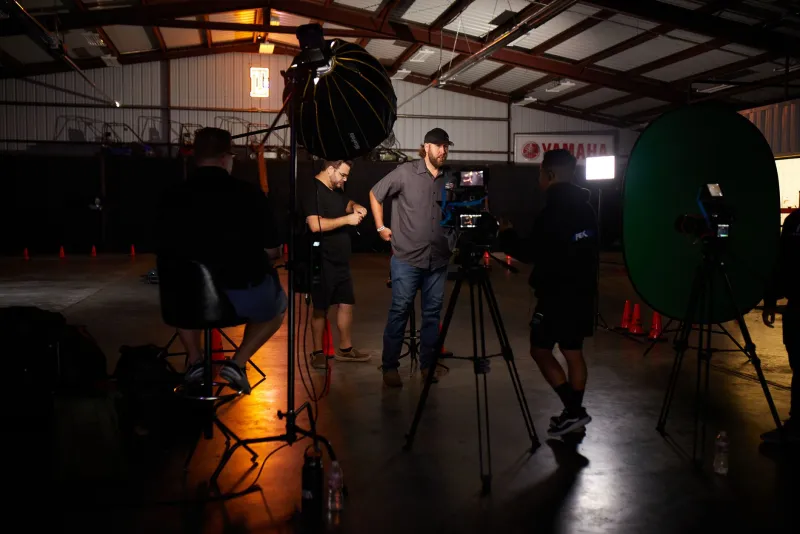
The unglamorous work is a compressed education. When you shoot a two-day run-and-gun for a county fair, you learn to solve lighting problems with what's in your trunk. When a client hands you a 12-page script about commercial insurance and expects magic, you learn to find visual interest in absolutely anything — a skill that separates working professionals from people with nice gear.
There's also the client management degree you didn't know you were enrolled in. Strange jobs tend to come with strange stakeholders. The owner's nephew with "notes." The subject-matter expert who wants to be on camera. Navigating that stuff on a small weird job is a low-stakes rehearsal for navigating it on a big important one.
And here's the kicker: these projects are usually finished. That spec short film you've been polishing for two years? Nobody can see your problem-solving because there's no evidence you solved problems under real constraints. The weird client work is a receipts-based portfolio.
The Case for Leading With Strange
There's a counterintuitive advantage to putting oddball work front and center: memorability. Every portfolio has the same moody brand film and the same drone reel over golden-hour coastline. Nobody remembers them. But a beautifully shot video for a taxidermy museum? A slick promo for a competitive lawn-mowing circuit? That sticks.
Being memorable is half the battle when a potential client is scrolling through twenty tabs at 11 p.m. If your weird work made them laugh or made them say "wait, they shot what?" — congratulations, you're now the one they email.
There's also a sincerity signal. When you show work you're not obviously proud of but clearly executed well, you demonstrate confidence. Only people who know their own abilities can afford to be uncool on purpose.
How to Actually Do It
Reframing doesn't mean dumping everything online. It means curating with a new logic:
- Lead with the story, not the deliverable. Frame each oddball piece with a line about the constraint: "Shot in one day, no budget, client needed it live by Friday." Constraints are the résumé.
- Group by problem solved, not by polish. A section called "Jobs That Looked Impossible" beats a section called "Selected Work" every time.
- Cut the cringe, keep the craft. If the work genuinely embarrasses you on a craft level, fix the edit or let it go. The goal is weird, not weak.
- Include the results when you have them. "This video for a haunted corn maze tripled their weekend ticket sales" is a sentence that closes deals.
One Last Thing
The creators we all admire didn't get there on pure aesthetic. They got there because somebody hired them once, and then somebody hired them again, and the work that built that trust was usually the work they'd rather forget.
Your sour patch moments — the jobs that made you wince and wowed the client anyway — aren't the embarrassing footnote of your career. They're the proof of concept. Give them the spotlight. The next client is looking for exactly what you've been hiding.
Now go update that portfolio. The lawn-mower racing video deserves better.