No Studio, No Problem: 5 Indie Creators Who Built Massive Followings From Scratch
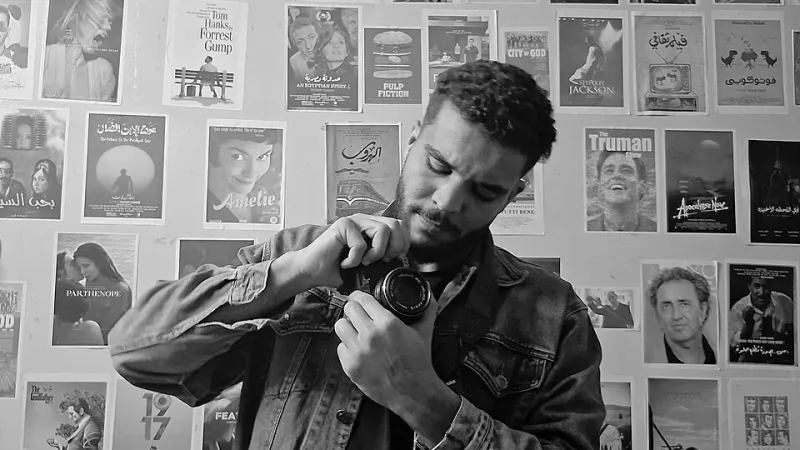
Photo: Abanob Melad Cinephile, CC0, via Wikimedia Commons
There's a story the entertainment industry loves to tell itself: that real creative success requires infrastructure. A development deal. A distribution partner. A team of producers with industry contacts and a Rolodex that goes back thirty years.
And then you meet the people in this article.
These five creators — filmmakers, storytellers, and digital originals — didn't wait for permission. They built their audiences one video, one decision, and one unconventional strategy at a time. Some of them are now fielding calls from the very studios they once bypassed. Others have no interest in that world at all.
All of them have something to teach you.
1. Camille Fontaine — The Micro-Doc Queen of TikTok
Platform: TikTok / YouTube
Niche: Human interest micro-documentaries
Follower count: 2.1M across platforms
Camille Fontaine was a barista in Nashville when she started filming 60-second documentary portraits of people she met at the coffee shop. No crew. No lighting rig. Just an iPhone 13 Pro, a cheap clip-on lav mic, and an instinct for finding the extraordinary in ordinary lives.
"I wasn't trying to build a brand," she says. "I genuinely just thought these people had stories nobody else was telling."
Her pivot moment came when a video about an 80-year-old competitive roller skater hit 4 million views in 72 hours. Instead of chasing a similar subject, Camille did something counterintuitive — she doubled down on consistency over virality. She committed to posting one micro-doc per week, no exceptions, for a full year.
"Going viral once doesn't build a following. Showing up every week builds a following. The algorithm rewards reliability almost as much as quality."
The tactic to steal: Commit to a publishing cadence that feels slightly uncomfortable — not unsustainable, but just past your comfort zone. Then protect it like a contract.
2. Darnell Osei — The Filmmaker Who Turned Reddit Into a Distribution Network
Platform: YouTube / Vimeo
Niche: Narrative short films
Follower count: 780K YouTube subscribers
Darnell Osei grew up in Detroit watching films he knew he could make — if he could just get anyone to watch them. His first short film sat at 200 views for three months before he tried something that felt almost too simple: he posted it to relevant subreddits.
Not as self-promotion. As a genuine contribution to communities that cared about the subject matter. His film about a father and son navigating a deteriorating neighborhood went into r/shortfilm, r/Detroit, and r/cinematography — with honest context about the project, not a sales pitch.
The film hit 80,000 views in a week.
"Reddit users can smell inauthenticity from a mile away," Darnell explains. "But if you're genuinely contributing to a conversation they care about, they become your biggest advocates."
From that point, every project Darnell made was built with a specific community in mind — before a single frame was shot. He identifies the subreddits, Facebook groups, and Discord servers where his ideal viewer already lives, and he makes content for that community.
The tactic to steal: Before your next project, identify three online communities that would genuinely care about your subject matter. Make something for them, not just something you want to make. The distribution strategy starts in pre-production.
3. Sofia Mendez — The Creator Who Turned Behind-the-Scenes Into the Main Event
Platform: Instagram / YouTube
Niche: Independent filmmaking / creative process content
Follower count: 1.4M Instagram followers
Sofia Mendez couldn't afford to promote her short films the traditional way. Film festival submissions cost money. Press kits cost money. So she started documenting the making of her films instead — the mistakes, the budget workarounds, the 2 a.m. set builds in her Los Angeles apartment.
The process content exploded faster than the films themselves.
"I think people were starving to see how creative work actually gets made, not just the polished final product," Sofia says. "The struggle is relatable. The finished film feels untouchable."
She now runs what she calls a "creative ecosystem" — the BTS content drives traffic to the finished films, which drives people to her Patreon, which funds the next project. Each piece of content feeds the others.
Her pivotal decision: treating the journey as the product, not just the destination.
The tactic to steal: Document your process in real time, including the parts that don't go as planned. Authenticity in creative content isn't a trend — it's a permanent audience value. Your audience wants to root for you, and they can only do that if they can see the climb.
4. Tyler Kwon — The YouTube Essayist Who Found His Audience by Narrowing His Focus
Platform: YouTube
Niche: Deep-dive video essays on overlooked American cinema
Follower count: 620K subscribers
Tyler Kwon's early YouTube channel was a grab bag — movie reviews, gaming content, pop culture commentary. It grew slowly and inconsistently for two years. Then a mentor gave him advice he initially resisted: go narrower.
"She told me, 'You're making content for everyone, which means you're making it for no one.' I thought narrowing my focus would shrink my audience. It did the opposite."
Tyler went all-in on a single niche: deep-dive essays on American films from the 1970s and 1980s that had been unfairly forgotten or misunderstood. He posted one 20-minute essay every two weeks, each one meticulously researched and written.
Within 18 months, his subscriber count grew from 12,000 to over 600,000. More importantly, his audience was engaged — comment sections that read like film school seminars, watch time averages that most creators would trade their equipment for.
"The algorithm finds people like your audience and shows them your content. But first you have to build an audience specific enough for the algorithm to recognize."
The tactic to steal: If your channel or content feels stuck, try the narrowing exercise. Write down your current niche, then ask: who specifically is this for? Keep narrowing until it feels almost too specific. That's usually exactly right.
5. Amara Jackson — The Creator Who Built a Following by Giving Everything Away
Platform: YouTube / Newsletter
Niche: Practical filmmaking education for budget creators
Follower count: 950K YouTube subscribers
Amara Jackson's strategy was simple and, to some, baffling: she gave away every technique, template, and workflow secret she'd developed over a decade of indie filmmaking — for free, on YouTube.
Colleagues told her she was undermining her own value. "Why would anyone hire you if they can just watch your videos?" they asked.
The opposite happened.
"Giving away your knowledge doesn't diminish your value. It proves it. People watched my tutorials and thought, 'If she teaches this well for free, imagine what working with her is like.'" Amara now runs a thriving production consulting business, a paid membership community, and a newsletter with six-figure sponsorship deals — all built on the foundation of radical generosity.
Her pivotal decision: reframing expertise as a renewable resource, not a finite one.
The tactic to steal: Identify the one thing you know better than most people in your space. Now make the most comprehensive, genuinely useful free resource about that thing that exists anywhere on the internet. Publish it. Watch what happens.
The Common Thread
Look across all five of these stories and a pattern emerges that has nothing to do with gear, budgets, or lucky breaks. Each of these creators made a counterintuitive decision at a critical moment — and stuck with it long enough to see the results.
Camille chose consistency over virality. Darnell chose community over promotion. Sofia chose process over product. Tyler chose depth over breadth. Amara chose generosity over gatekeeping.
None of these decisions are secret. None of them require a production budget. They require clarity about what you stand for — and the discipline to keep showing up for it.
The studio system will always exist. But the most interesting creative work? It's increasingly being made by people who didn't wait for the call.